
A Foundation or Language Growth
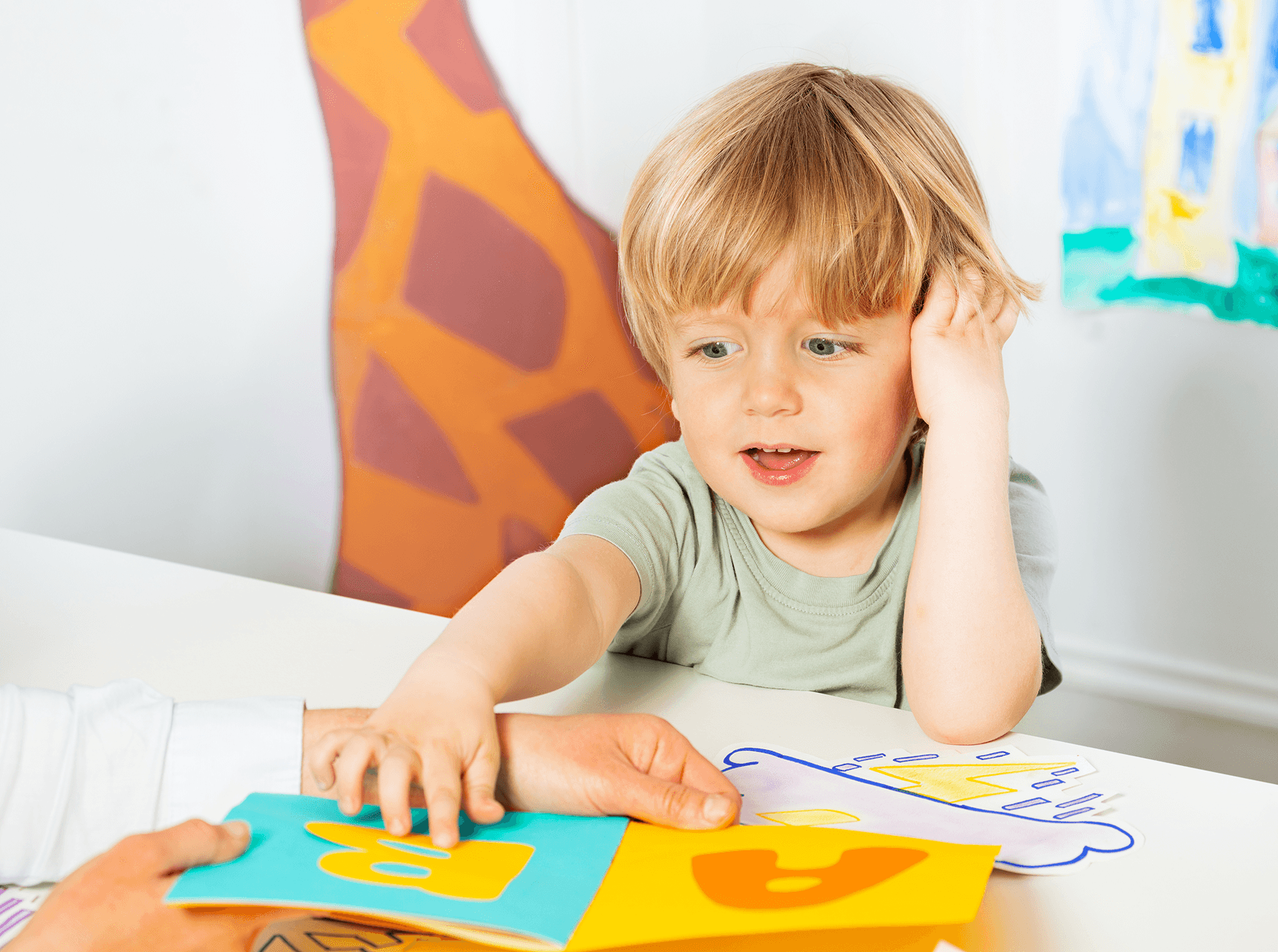
Early language skills are essential for communication, learning, and social development. Toddlers and preschoolers develop language fastest through regular interaction, exposure to words, and playful engagement.
Simple daily routines like talking, singing, and reading aloud give children a strong foundation for vocabulary, comprehension, and self-expression.
Talk, Read, and Sing Every Day
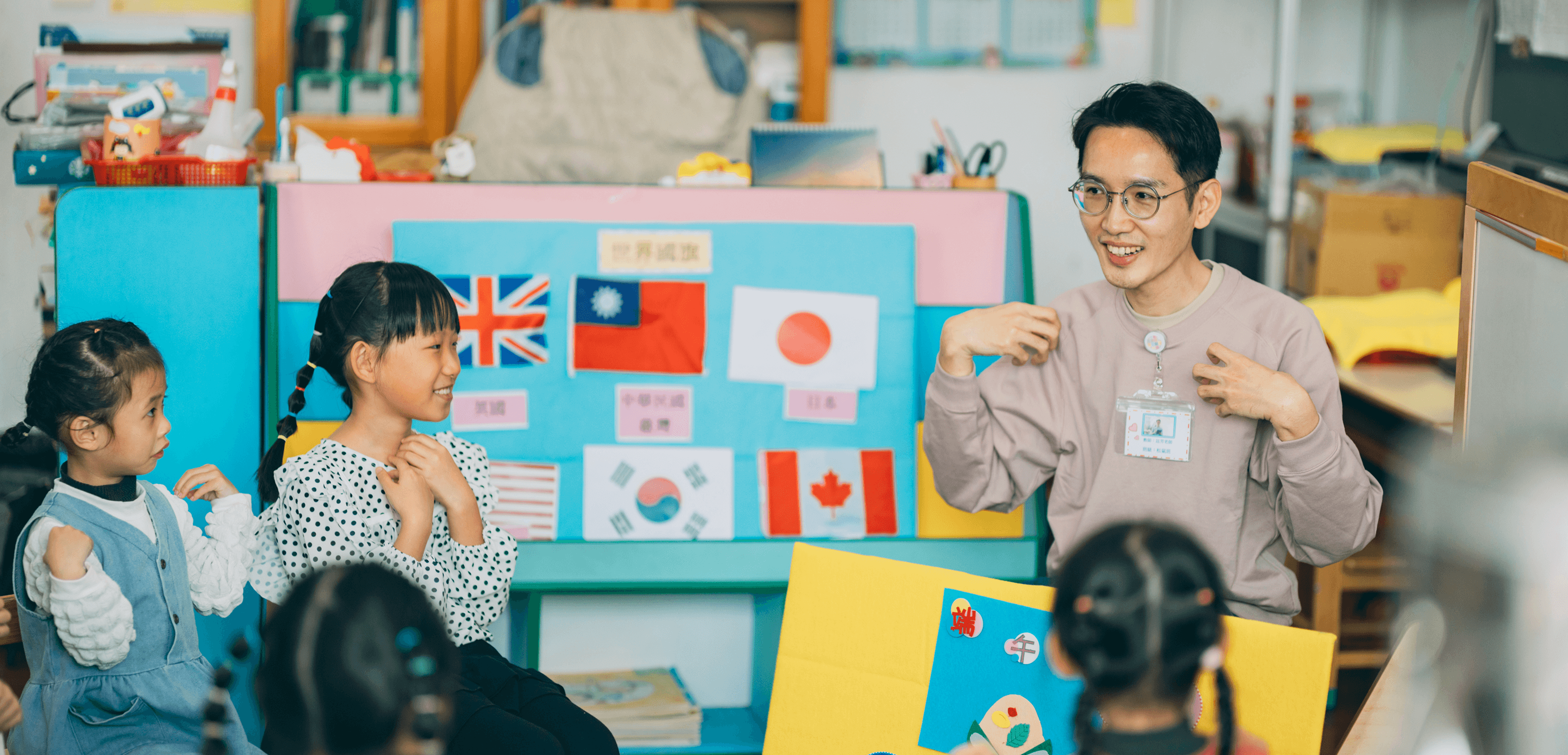
Conversations with your child, even about ordinary daily activities, encourage language growth. Asking questions, describing objects, and narrating actions help children associate words with meaning.
Reading picture books and telling short stories stimulates imagination and comprehension, while singing rhymes and songs improves memory, pronunciation, and rhythm.
Encourage Communication and Curiosity
Children learn best when they feel heard and understood. Encouraging toddlers to express themselves — even through gestures or single words — builds confidence and communication skills.
Responding patiently and repeating words correctly reinforces language development. Play-based activities, such as role-playing or storytelling with toys, make learning natural and fun.
“Boosting early language development helps children communicate effectively, build vocabulary, and gain confidence in expressing their thoughts and ideas.”

Parents
Creating a Language-Rich Environment
Environment matters. Surrounding children with books, labels, music, and opportunities for conversation increases exposure to words and ideas.
Limiting screen time and emphasizing face-to-face interaction helps children develop listening, comprehension, and speaking skills while strengthening parent-child bonding.
A Foundation or Language Growth
Early language skills are essential for communication, learning, and social development. Toddlers and preschoolers develop language fastest through regular interaction, exposure to words, and playful engagement.
Simple daily routines like talking, singing, and reading aloud give children a strong foundation for vocabulary, comprehension, and self-expression.
Talk, Read, and Sing Every Day
Conversations with your child, even about ordinary daily activities, encourage language growth. Asking questions, describing objects, and narrating actions help children associate words with meaning.
Reading picture books and telling short stories stimulates imagination and comprehension, while singing rhymes and songs improves memory, pronunciation, and rhythm.
Encourage Communication and Curiosity
Children learn best when they feel heard and understood. Encouraging toddlers to express themselves — even through gestures or single words — builds confidence and communication skills.
Responding patiently and repeating words correctly reinforces language development. Play-based activities, such as role-playing or storytelling with toys, make learning natural and fun.
“Boosting early language development helps children communicate effectively, build vocabulary, and gain confidence in expressing their thoughts and ideas.”
Parents
Creating a Language-Rich Environment
Environment matters. Surrounding children with books, labels, music, and opportunities for conversation increases exposure to words and ideas.
Limiting screen time and emphasizing face-to-face interaction helps children develop listening, comprehension, and speaking skills while strengthening parent-child bonding.